
How Long Does Water Damage Take to Dry in Brooklyn, MD?
The honest answer: it depends
Most water damage jobs need about three to five days of drying equipment. That is a typical range, not a promise. Plaster, hardwood, concrete and thick framing can take longer. A small clean-water spill on vinyl may dry in a day. The real finish line is a moisture reading, not a date.
This guide explains what affects drying time, what each stage involves and how technicians decide when to stop. If water is still spreading in your home, our line at (667) 767-7092 answers 24/7.
The timeline in stages
Drying follows a pattern.
| When | What happens |
|---|---|
| Hour 0 to 1 | Stop the source, stay safe |
| Hours 1 to 24 | Extract standing water, remove wet soft goods |
| Hours 24 to 48 | Equipment runs, the EPA window for drying wet materials |
| Days 2 to 5 | Daily readings, equipment adjusted |
| Final check | Materials reach dry targets, equipment comes out |
| After | Repairs and rebuilding |
The earlier extraction starts, the shorter the drying phase. Standing water that sits adds hours and days.
Drying times by material
Materials give up water at different speeds.
| Material | Typical range | Notes |
|---|---|---|
| Carpet (pad removed) | 1 to 3 days | Fast with airflow |
| Drywall | 2 to 5 days | May be replaced if swollen |
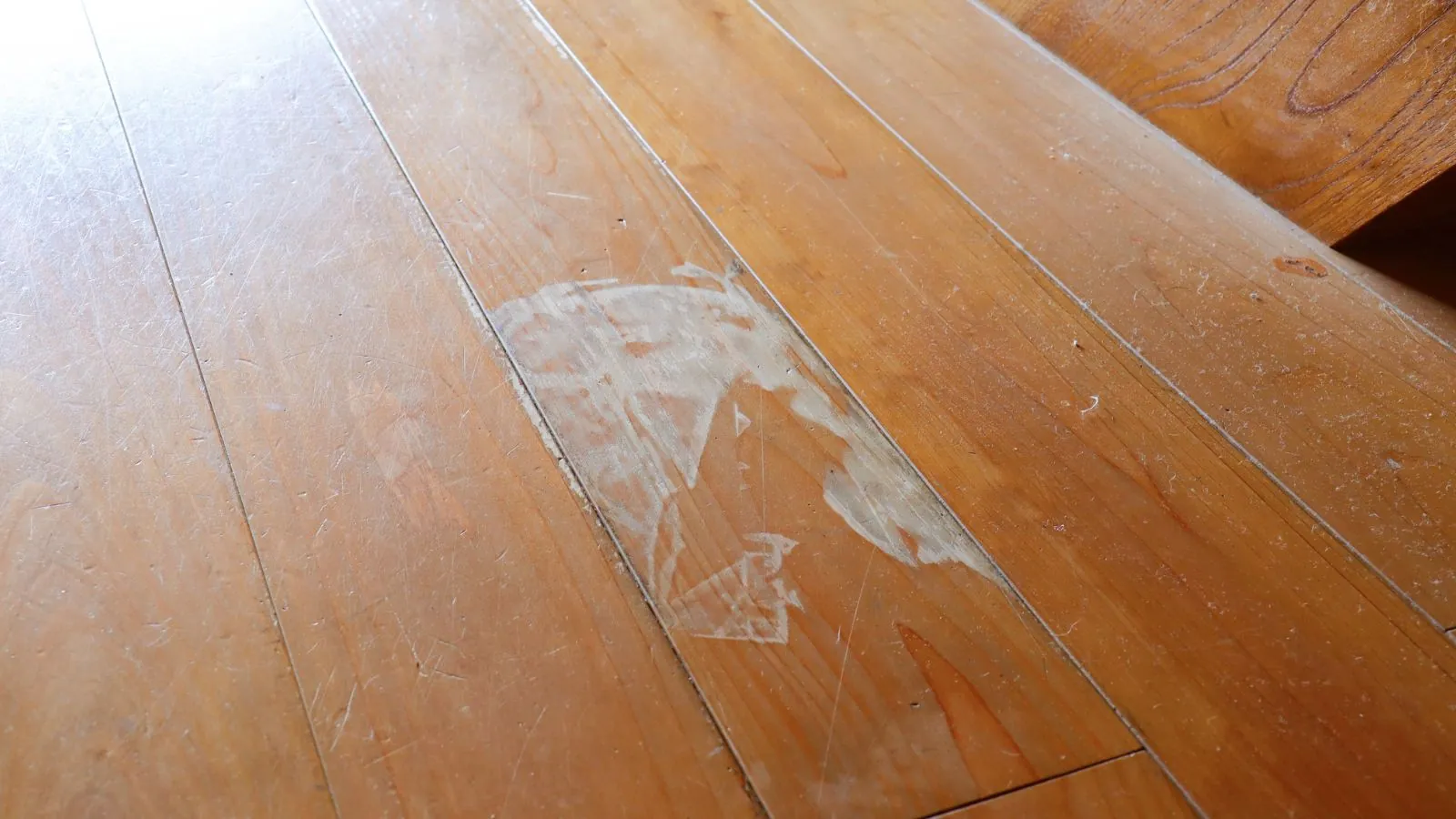
| Hardwood floor | 5 days or more | Needs gentle drying |
| Plaster and lath | Several days to weeks | Dense and slow |
| Concrete slab | Weeks to months to reach full dryness | Test before flooring |
| Framing lumber | 3 to 7 days | Depends on thickness |
These ranges are rules of thumb. Readings, temperature and humidity change them.
What slows drying
Several things stretch the schedule.
- High humidity in the air, common in Maryland summers.
- Dense materials such as plaster, masonry and thick hardwood.
- Water that sat for days before removal.
- Layers that trap moisture, like vinyl over plywood.
- Cold temperatures, since warm air holds more moisture.
- Not enough dehumidification for the space.
Opening wall cavities and lifting floor edges speeds drying, because air reaches the wet parts.
How professionals know when it is done
Technicians set a drying goal by reading the same materials in an unaffected area. They take daily readings of the wet materials and compare. When the wet readings match the goal, the material is dry. They remove equipment and record the final numbers.
Our structural drying and dehumidification page explains the tools. A job with no readings is a guess. Ask for the numbers.
- Set the goalDry reference readings in an unaffected area.
- Measure dailyMeters and thermal imaging track progress.
- AdjustMove or add equipment where needed.
- VerifyFinal readings match the goal.
- DocumentLogs go to the homeowner.
Can I speed it up myself?
You can help. Run fans, open windows when the outside air is drier than the inside air, and keep the heat on. A dehumidifier helps in a closed room. Do not run a furnace on wet ductwork, and stay away from wet electrical areas.
Do not cover wet walls with paint, vinyl or cabinets. Sealing in moisture invites mold. If you are unsure, wait for a meter reading before closing anything up.
Why dryness is not the same as repair
When the equipment leaves, the building is dry, but it may not be finished. Drywall that was cut out needs replacement. Flooring that was removed needs new material. Paint and trim follow. Repairs add days or weeks depending on the contractor's schedule.
Plan the timeline in two parts: drying, then repair. Ask your crew for a drying estimate and your contractor for a repair estimate. If either changes, ask why.
| Phase | Typical span | Depends on |
|---|---|---|
| Drying | Three to five days, often | Materials, humidity, water type |
| Repair | Days to weeks | Scope and contractor schedule |
Questions to ask during drying
Ask for the daily readings and the target. Ask what you can do to help. Ask whether the humidity is dropping as expected. Ask if the crew sees any hidden wet areas. If a day passes with no change, ask what will be adjusted.
A good crew shares the numbers without being asked. If yours does not, ask again.
A sample job, day by day
Picture a second-floor bathroom supply line that split overnight and soaked the bathroom floor, the hallway carpet and the ceiling below. On day one, the crew shuts off the water, extracts standing water, pulls the wet carpet pad and sets air movers and dehumidifiers. On day two, readings are taken, equipment is moved and the ceiling cavity is opened.
On day three, the carpet is dry but the subfloor edge and the ceiling framing are still high. Equipment stays. On day four, readings drop near the reference. On day five, final readings match and the equipment comes out. Repairs begin the following week. This is one example, and your job may be shorter or longer.
- Day 1Stop the water, extract, remove wet pad, set equipment.
- Day 2Take readings, open the ceiling cavity, adjust equipment.
- Day 3Carpet dry, framing still high, keep drying.
- Day 4Readings approach the target.
- Day 5Final readings match and equipment is removed.
Signs that drying is going well
Good drying shows up in small ways. The air feels less heavy. Condensation on windows fades. The musty smell, if there was one, weakens. Water in the dehumidifier tank slows from several gallons a day to much less, because less moisture is left to collect. Daily readings drop in a steady curve.
If the tank stays full and readings do not move, something is still feeding moisture, such as a slow leak or wet material that has not been opened. Tell the technician, who can look again.
Local factors in Brooklyn
Brooklyn summers are humid, and basements stay damp. Plaster walls and brick party walls in older rowhomes need more time than modern drywall. Winter drying can be quick if heat is on and the air is dry, but cold basements are slow. In Curtis Bay and Glen Burnie, the same rules apply, with finished basements adding carpet and drywall to dry.
Ask your crew how the weather affects the plan. A humid week might call for a desiccant dehumidifier or extra days.
Where this guidance comes from
Drying goals in professional work follow the ANSI/IICRC S500 standard, which ties the finish line to dry readings, not to a fixed number of days. The EPA also advises drying wet materials within 24 to 48 hours.
Drying time questions
Is three days enough?
For small clean-water jobs, often. Bigger jobs need longer. Readings decide.
Why is the equipment so loud?
Air movers and dehumidifiers run at high output. They are working.
Can I turn off equipment at night?
Not if you want to finish on time. Ask the crew about quieter options.
Will my electric bill go up?
Yes, during drying. Ask the crew to estimate the load.
How soon can repairs begin?
When readings show dry. Starting early can trap moisture.
Water in the building? Call now.
A dispatcher answers around the clock. Scope and price are explained before work starts.
Call (667) 767-7092Brooklyn, MD address and map
Listed address: 5001 Ritchie Highway, Brooklyn, MD 21225. Dispatch runs 24 hours a day, so call before you drive over.