
Structural Drying and Dehumidification in Brooklyn, MD
A wet building needs drying quickly. Dispatch answers 24/7. Open windows if the weather is dry, turn off wet outlets at a dry panel and lift furniture off floors. Do not seal wet walls with paint or trim until a technician checks them.
- Open 24 hours.
- Scope and price explained first.
- Serving Brooklyn and nearby towns.
- Call-only dispatch.
Walls feel damp and the room smells musty after a leak?
That means water got into materials that look dry but are not. Drywall, plaster, framing and subfloors hold moisture long after the puddle is gone. The trade name for the fix is structural drying and dehumidification. It uses air movers and dehumidifiers to pull moisture out until readings reach normal.
If you have a damp smell, cool walls or cupped floors after a leak, ask for a moisture check. Waiting rarely helps, because the EPA advises drying wet materials within 24 to 48 hours to limit mold growth.
Structural drying in Brooklyn, MD
Structural drying is the controlled removal of moisture from a building's materials after a water loss. It follows water extraction and comes before repair. A properly dried building is less likely to grow mold, warp or smell.
Older Brooklyn houses and rowhomes have plaster, brick and thick framing that hold water longer than modern drywall. A job in one of these can need more days than a newer house. Humid summers in Maryland slow drying too, which is why we control the air, not just the surfaces.
The equipment and what each does
Drying is a system. Each tool does a different job.
| Tool | What it does | Used for |
|---|---|---|
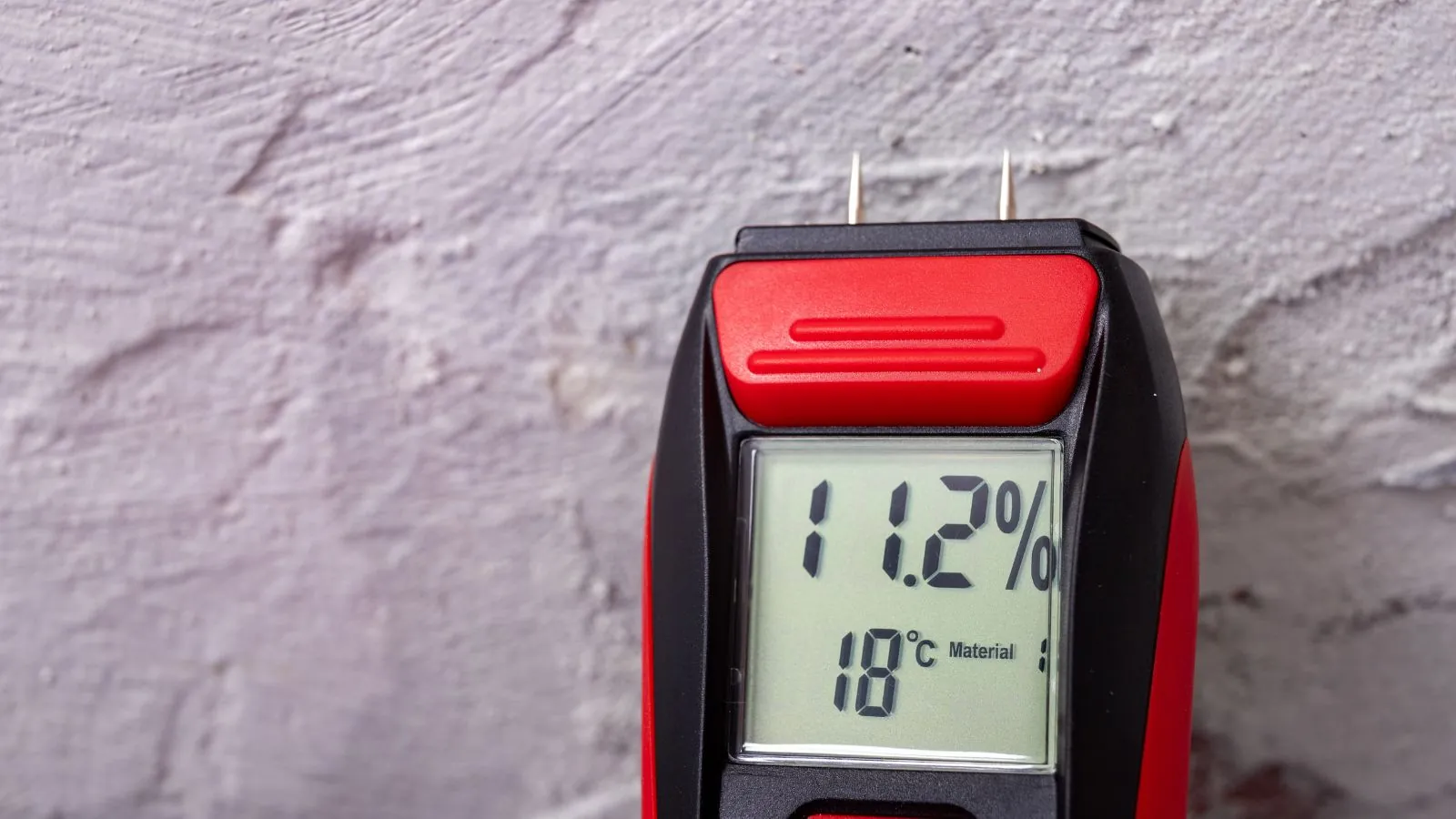
| Moisture meter | Reads moisture in materials | Mapping wet areas and checking progress |
| Thermal camera | Shows temperature differences | Finding hidden wet spots |
| Air mover | Blows air across wet surfaces | Evaporating surface moisture |
| LGR dehumidifier | Pulls moisture from the air | Keeping humidity low so water keeps leaving materials |
| Desiccant dehumidifier | Dries air with a drying agent | Cool spaces and low humidity targets |
| HEPA air scrubber | Filters fine particles | Dusty demolition or after contamination |
We place equipment based on readings, not guesswork, and we move it as areas dry.
How a drying job runs
The process is more than turning on fans. It follows a plan and records progress.
- Set the drying goalWe read dry reference materials in an unaffected area.
- Map the moistureMeters and thermal imaging show where water traveled.
- Place equipmentAir movers and dehumidifiers go where they help most.
- Check dailyReadings show whether the plan is working.
- Remove equipmentWhen materials meet the goal, the job is done.
Most jobs take several days, but a thick plaster wall or a concrete slab can take longer. A dry reading, not the calendar, ends the job. If something is not drying, we change equipment or open the wall.
What homeowners can do while drying runs
A few habits help the equipment do its job. Keep windows and exterior doors closed during drying so humid outside air does not undo the work. Do not move or unplug the machines. Keep doors between wet and dry areas closed or open as the technician advises. Expect noise and warmth, because dehumidifiers add heat to a room.
If you notice a new smell, a new stain or water returning, tell the technician right away. Daily readings are the main check, but you live in the building and notice things that meters miss.
Wet building and no idea how bad it is?
Call now. Dispatch is open 24 hours a day and explains scope and price before work starts.
What affects structural drying cost
Drying is priced by the scope of the wet area and how long it takes.
Area wet
More square feet mean more equipment.
Materials
Plaster, masonry and hardwood dry slower than drywall.
Number of days
Readings, not a fixed number, set the end.
Equipment type
Specialty dehumidifiers cost more to run.
Monitoring
Daily checks are part of the work.
Insurance usually covers drying after a covered loss, though the cause matters. Check your policy and ask your carrier what documentation it needs.
We give you moisture logs for your records.
Where this guidance comes from
Drying goals, equipment placement and documentation in this field are described in the ANSI/IICRC S500 standard. We follow the same logic of reference readings, daily monitoring and a stated dry target.
Structural drying questions
My walls feel damp days after a leak. What should I do?
Have them checked with a moisture meter. Surface dryness does not mean the framing is dry.
Do you handle drying emergencies at night or on weekends in Brooklyn?
Yes. Dispatch answers 24 hours a day at (667) 767-7092. We do not promise an arrival time.
How long does drying take?
Usually three to five days for typical jobs, and longer for dense materials.
Can I use my own fans and dehumidifier?
For small spills yes. For larger losses, rental equipment is often too small.
Will drying stop mold?
It lowers the risk. The EPA recommends drying within 24 to 48 hours.
Related pages
Water removal is covered in water extraction. Flooring is covered in hardwood floor water damage repair and carpet water damage restoration. Walls are covered in wall and drywall repair. We serve Glen Burnie and Curtis Bay.
Water in the building? Call now.
A dispatcher answers around the clock. Scope and price are explained before work starts.
Call (667) 767-7092Brooklyn, MD address and map
Listed address: 5001 Ritchie Highway, Brooklyn, MD 21225. Dispatch runs 24 hours a day, so call before you drive over.