
Musty Smell After Water Damage in Brooklyn, MD: Causes and Fixes
What a musty smell means
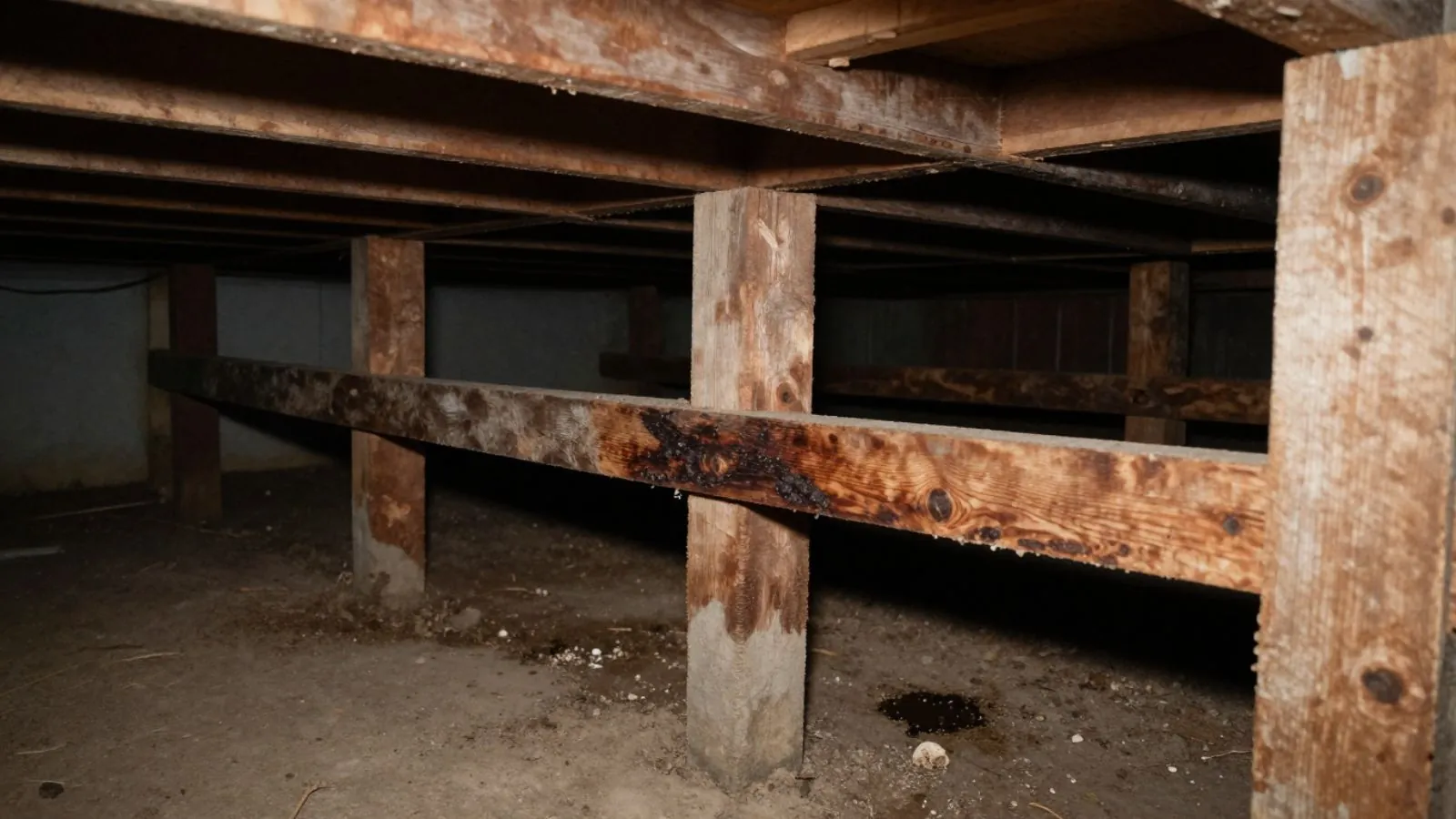
A musty smell after water damage usually means moisture is still trapped somewhere. Damp materials give off odors as microbes grow in them. The smell may be strongest in a basement, a closet, behind furniture or in a room that was wet days ago and looks dry now.
The smell is a clue, not a diagnosis. It can come from damp carpet pad, wet insulation, a wall cavity or a drain. This guide helps you think through the likely causes and the next steps. It is not a mold test, and we do not offer mold services on this site.
Where hidden moisture hides
Water travels and settles in places you cannot see.
| Place | Why moisture stays | How it is found |
|---|---|---|
| Under carpet | Pad holds water | Meter and lifting a corner |
| Behind baseboards | Wall bottoms wick water | Thermal camera and meter |
| Inside walls | Insulation holds moisture | Meter, small inspection holes |
| Under floors | Subfloor dries slowly | Meter and removing a board |
| Cabinets | Particleboard soaks water | Meter at the base |
A moisture meter and a thermal camera are the usual tools. They locate wet spots without tearing everything apart.
What the EPA says
The EPA advises drying wet materials within 24 to 48 hours to limit mold growth. If a smell has been there for days, materials were likely wet longer than that. For mold areas larger than about 10 square feet, the EPA guide suggests considering professional help.
Do not cover a musty smell with sprays or scented products. They hide the clue and leave the wet material behind. Find and dry the source.
Steps you can take
Begin with simple checks.
- Find the strongest spotWalk the room and sniff low, near floors and walls.
- Check for dampPress carpet and feel baseboards. Use a meter if you have one.
- Increase airflowRun fans and a dehumidifier. Open windows if the air outside is dry.
- Remove wet soft goodsPull out soaked carpet pad, boxes and fabrics.
- Fix the sourceRepair the leak or drain problem.
- Call for helpIf the smell persists after a day or two of drying, have the area measured.
A dehumidifier helps if it is the right size. Rented units that fit the room can run for several days. Empty the tank often and watch the humidity level.
When to call a professional
Call if you see dark spots, if the smell returns, if the area is large or if the water was contaminated. Also call if anyone in the home has breathing trouble. A technician can find hidden wet areas, remove what cannot dry and set the right equipment.
Our structural drying and dehumidification page explains the equipment and process. For walls with stains or soft spots, see wall and drywall water damage repair.
What not to do
A few common reactions make things worse. Spraying air freshener hides the clue. Painting over a stain traps moisture. Closing a damp room shut keeps the humidity in. Running a furnace on a wet basement can spread damp air through the house. Do not tear into walls without turning off power to that area.
- Do not cover odors with sprays or candles.
- Do not paint or seal damp walls.
- Do not store boxes against a wet wall.
- Do not ignore the smell if it grows.
- Do not use bleach as a cure for damp materials.
Better steps are simple: find the wet area, remove what cannot dry and lower the humidity.
Humidity numbers worth knowing
Indoor humidity around 30 to 50 percent is a comfortable range, and levels above 60 percent over time support mold growth. A small humidity meter costs little and shows where air is damp. Place one in the basement and check it daily after a leak. If the number stays high with a dehumidifier running, moisture is still coming from somewhere.
That is the point to call for a moisture check. We can trace the source and explain what the readings mean. See our water extraction page if there is standing water as well.
A room-by-room look at where smells start
In a basement, the smell usually comes from damp masonry, stored cardboard or carpet over a slab. In a bathroom, it can come from a leak behind the tub surround or a wet subfloor under vinyl. In a kitchen, the sink base and the wall behind the dishwasher are the usual sources. In bedrooms, a stained ceiling corner or a window leak is more likely.
Knowing the usual suspects saves time. Start with the room where the smell is strongest, then work along the walls toward the nearest plumbing or exterior wall. A moisture meter, even a basic one, confirms what your nose suggests.
| Room | Likely source | First check |
|---|---|---|
| Basement | Damp masonry, carpet on slab | Wall bottoms and carpet edges |
| Bathroom | Tub surround, subfloor | Caulk, floor near the tub |
| Kitchen | Sink base, dishwasher wall | Cabinet floor, baseboards |
| Bedroom | Ceiling corner, window | Stains above and below the sill |
How long to wait before calling
Give a small damp area a day or two with fans and a dehumidifier. If the smell fades and readings drop, you likely caught it in time. If the smell grows, if stains appear or if the area is larger than a few square feet, call. The EPA window for drying wet materials is 24 to 48 hours, so waiting weeks rarely helps.
When you call, say where the smell is strongest, when the leak happened and what has been done so far. That helps the dispatcher decide what to send. Our line at (667) 767-7092 is open 24/7.
Why older Brooklyn basements smell
Stone and block basements in older Brooklyn homes are naturally damp. After a leak or a storm, they hold moisture for weeks. Rowhome cellars with limited airflow trap the smell. Humid Maryland summers make it worse because drying slows when the air is already wet.
In Glen Burnie finished basements, carpet and drywall can hide damp framing. In Curtis Bay rowhomes with shared walls, a neighbor's leak can be the source. Ask neighbors if they have had water problems.
Where this guidance comes from
The EPA advises drying wet materials within 24 to 48 hours and publishes a guide for mold in the home. Professional mold work follows the ANSI/IICRC S520 standard, and drying work follows ANSI/IICRC S500.
Musty smell questions
Is a musty smell always mold?
Not always, but it is a sign of damp conditions where mold can grow.
Will baking soda or air fresheners fix it?
No. They hide the smell. Drying the source is the fix.
How long after a leak does a smell start?
Within a day or two if materials stay wet.
Should I replace carpet that smells?
Often the pad is the problem. A meter reading helps decide.
Can a dehumidifier alone solve it?
Sometimes for light dampness. Heavy moisture needs more equipment.
Water in the building? Call now.
A dispatcher answers around the clock. Scope and price are explained before work starts.
Call (667) 767-7092Brooklyn, MD address and map
Listed address: 5001 Ritchie Highway, Brooklyn, MD 21225. Dispatch runs 24 hours a day, so call before you drive over.