
Seasonal Water Damage Risks in Brooklyn, MD
Why water damage follows the calendar
Water damage is not random. Cold snaps freeze pipes. Spring rain loads drains. Summer storms and humidity strain roofs and slow drying. Fall leaves clog gutters. Knowing the pattern lets you check the right things at the right time and save money on repairs.
Maryland weather swings between freezing nights and mild days, with humid summers and the occasional tropical storm. That mix is hard on buildings. This guide walks through the year and points to what to check each season. If trouble arrives anyway, dispatch answers 24/7 at (667) 767-7092.
Winter: frozen and split pipes
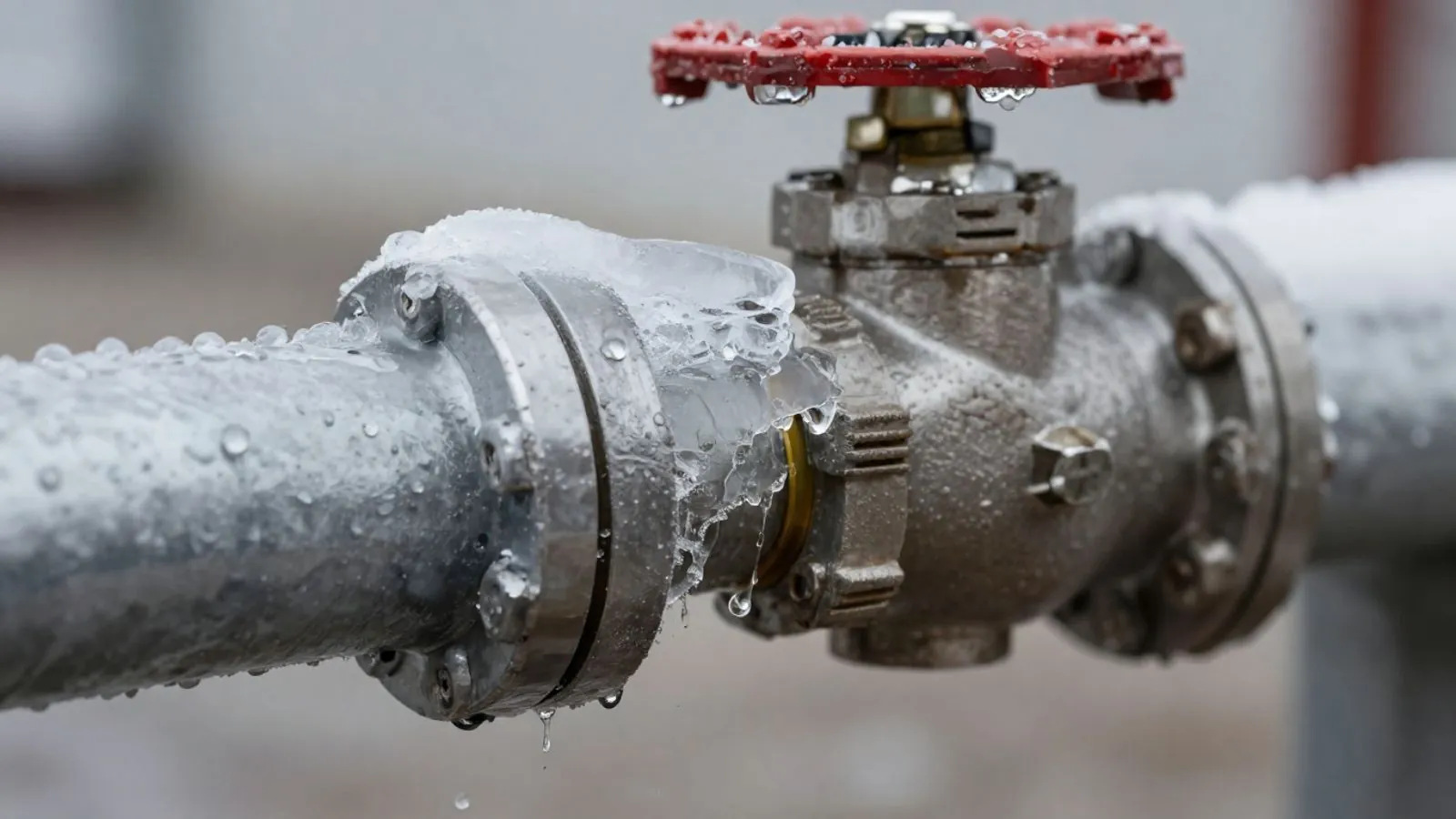
Pipes in unheated basements, crawl spaces and exterior walls freeze first. Ice does not always break a pipe, but a thaw can reveal a split. Water then pours out until someone finds the valve.
- Insulate exposed pipes in basements and crawl spaces.
- Keep heat on, even in empty rooms and rentals.
- Open cabinet doors on very cold nights.
- Let a faucet drip during hard freezes.
- Know where the main shutoff is.
If a pipe freezes and splits, see frozen pipe water damage for the response. Also watch for ice dams along roof edges, which can push water under shingles and into ceilings.
Spring: rain and runoff
Spring brings steady rain, and the ground may still be wet or frozen. Water runs toward foundations and low basements. Sump pumps work harder, and gutters overflow if they hold winter debris. Basement seepage and wet crawl spaces often start in March and April.
Check that downspouts discharge away from the house. Test the sump pump. See basement water damage cleanup and crawl space water damage for what happens when water gets in.
Summer: storms, humidity and AC
Thunderstorms can drop heavy rain in short bursts, and flash flooding can follow. Air conditioners run hard and produce condensate that clogs drains and overflows pans. Humid air slows drying, so a leak that would dry in three days in spring can take longer in July.
| Risk | Check | Page |
|---|---|---|
| Storm leaks | Inspect roof and windows | Storm water damage |
| AC overflow | Clear drain line, check the pan | AC leak water damage |
| Humidity | Run a dehumidifier in basements | Structural drying |
| Hose and washer leaks | Replace old hoses | Appliance leaks |
Fall: leaves, gutters and tropical systems
Leaves clog gutters and storm drains. A clogged gutter overflows at the wall, and the water ends up in the basement. Late summer and fall are also the main season for tropical storms and heavy rain events along the Chesapeake.
Clean gutters after the leaves drop. Check that the furnace and water heater are safe, since heating season returns. A water heater that is more than ten years old deserves an inspection. See water heater leak cleanup for what failure looks like.
Year-round habits
A few habits help in every season.
- Know where your main water valve and electrical panel are.
- Check under sinks and behind appliances twice a year.
- Replace rubber washer hoses with braided ones every few years.
- Look at ceilings after heavy rain.
- Keep records of repairs and photographs of your home.
Small checks are the cheapest way to avoid a big repair. The EPA advises drying wet materials within 24 to 48 hours, so speed matters when something does go wrong.
A twice-a-year inspection routine
Pick a weekend in spring and one in fall. Walk the outside of the house and look at gutters, downspouts, the roof edge and the foundation. Inside, check ceilings, basement walls and the areas under sinks. Look at the water heater, the washing machine hoses and the air handler drain.
- Gutters clear and attached.
- Downspouts pointing away from the house.
- No new stains on ceilings or walls.
- Dry basement floor and corners.
- Washer hoses and fittings not bulging or rusty.
- Water heater base dry and relief line clear.
Write the date and what you found. A short log makes it easy to see changes over time.
When to call a professional
Call a plumber for any pipe, fitting or fixture problem. Call a roofer for missing shingles or flashing. Call an HVAC technician for condensate and drain problems. Call us when water has already soaked floors or walls and needs to be removed and dried. We will tell you when someone else needs to go first.
Our services page lists what we handle, and each page explains the signs and the first steps.
What to keep on hand all year
A small kit helps in any season. A flashlight and spare batteries, a wet and dry vacuum, a roll of heavy plastic sheeting, a few buckets, towels and a pair of rubber gloves cover most small emergencies. Add a tool to turn off the water if your valve needs a wrench. Keep the kit in a spot you can reach quickly.
- Flashlight and spare batteries.
- Wet and dry vacuum.
- Plastic sheeting and tape.
- Buckets, towels and mops.
- Rubber gloves and boots.
- A copy of key phone numbers.
Keep a copy of your insurance policy and our number with the kit. During a stressful event, you will not want to search for them.
Why older homes show seasonal patterns
Older homes have more seams, joints and aging materials, so weather finds the weak spots. Winter cold finds the poorly insulated pipe. Spring rain finds the cracked flashing. Summer heat dries and cracks caulk. Fall leaves block the gutter. Each season repeats the pattern, which is why a routine check works so well.
Local patterns in Brooklyn and nearby
Low streets near the Patapsco and Curtis Creek are most exposed in spring and fall. Older homes with original plumbing are most exposed in winter. In Curtis Bay, hills move runoff to the bottom of the slope. In Glen Burnie, finished basements mean even small leaks cost more to fix.
Pick one weekend each season for a quick walk-around inspection. Write down what you find and fix it before the next weather change.
Where this guidance comes from
FEMA and the EPA both publish homeowner guidance on flooding and moisture control. After a loss, the ANSI/IICRC S500 standard is the professional reference for drying wet buildings.
Seasonal water damage questions
What is the most common winter water problem in Brooklyn?
Frozen and split pipes in unheated areas, especially during a thaw after a freeze.
When should I clean my gutters?
In late fall after leaves drop and again in spring.
Is summer drying slower?
Yes, because humid air holds more moisture. Dehumidifiers matter more.
Do storms in fall cause more flooding?
Tropical systems can. Prepare before the season.
Who should I call for emergencies at any season?
Our line at (667) 767-7092 answers 24/7.
Water in the building? Call now.
A dispatcher answers around the clock. Scope and price are explained before work starts.
Call (667) 767-7092Brooklyn, MD address and map
Listed address: 5001 Ritchie Highway, Brooklyn, MD 21225. Dispatch runs 24 hours a day, so call before you drive over.