
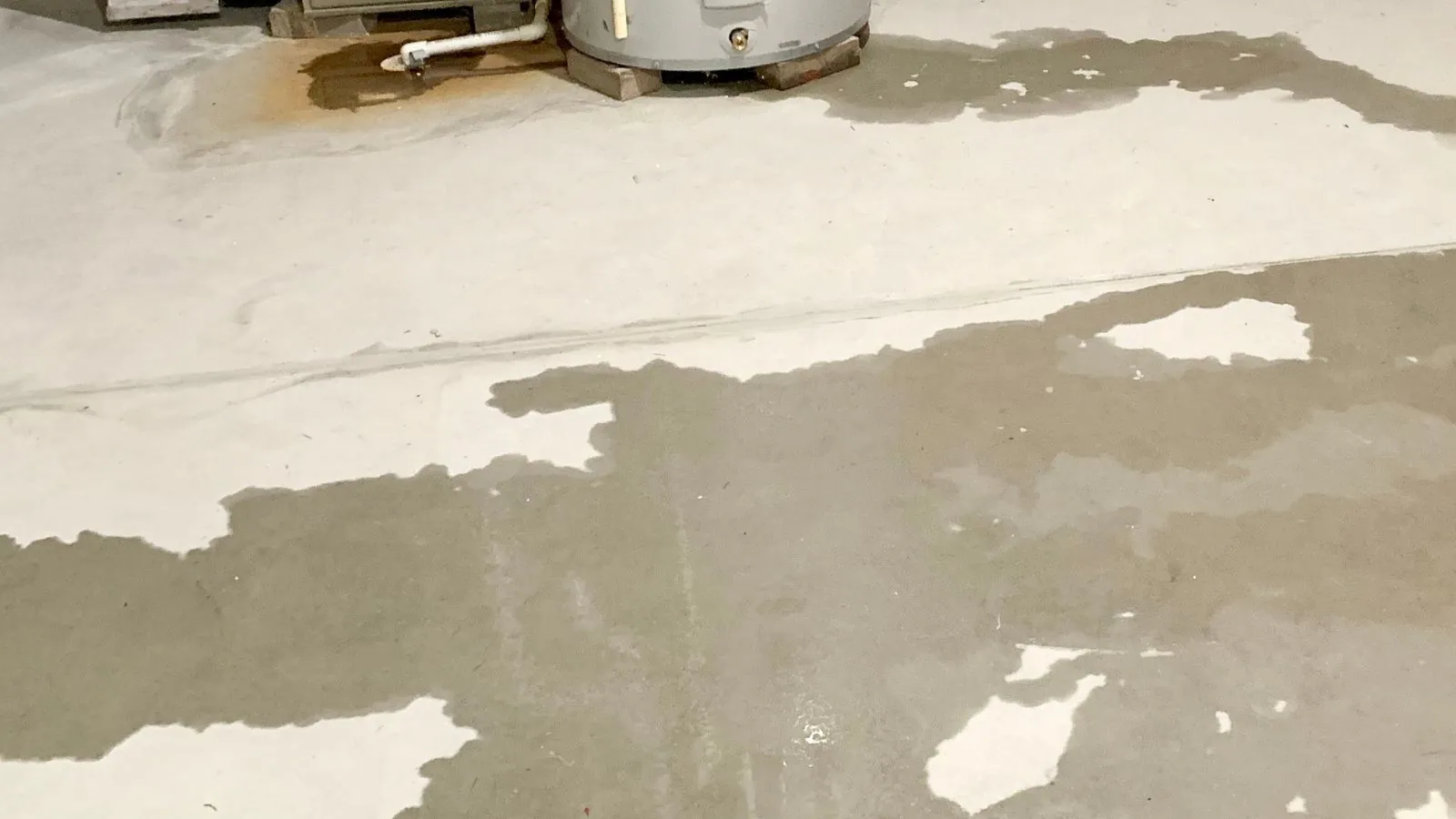
Selling a House With Water Damage in Brooklyn, MD
Can you sell a house with water damage?
Yes. People sell homes with water damage every day. Buyers may ask for a lower price, request repairs or walk away, but the sale is possible. What matters is that the damage is dealt with, documented and disclosed honestly. Surprises found after the contract is signed cause the most trouble.
This article gives general information for Brooklyn, MD homeowners. It is not legal advice, and a real estate agent or attorney should guide you on your specific sale. We are a restoration company, so we can speak to the water side of the question.
Disclosure in Maryland
Maryland sellers generally have to give buyers either a property condition disclosure statement or a disclaimer statement, under Real Property section 10-702. The disclosure form asks about known defects, including water or moisture problems. The disclaimer states that the seller makes no representations and the buyer takes the property as is, with certain exceptions.
Ask your agent or attorney which applies and how to answer questions about water intrusion. Do not hide known damage. Hidden problems can lead to disputes after closing.
Why honesty pays
A documented, repaired water problem is usually easier to defend than an unmentioned one.
- Keep invoices and photos.
- Keep moisture and drying logs.
- Keep warranty papers from repairs.
- Note dates of events.
Repair first, or sell as is?
Both routes can work. The right one depends on how bad the damage is, how fast you need to sell and what buyers in your area expect.
| Option | Pros | Cons |
|---|---|---|
| Dry and repair first | Wider pool of buyers, stronger price, fewer surprises | Costs money and time up front |
| Sell as is | No repair cost, faster | Lower offers, fewer buyers, inspection issues |
| Dry now, repair later | Stops damage from growing, lowers risk | Buyers still see unfinished repairs |
Even if you plan to sell as is, drying the house is usually worth doing. Wet materials get worse, and mold and rot cost more to fix than the drying did.
Why drying records help
A buyer's inspector will look for stains, odors and elevated moisture. Records that show the water was removed, the building was dried and readings reached normal give buyers confidence. They also show you acted responsibly.
We keep photographs, moisture readings and equipment logs on every job. If you sell, those records can go into the disclosure package. They do not guarantee a sale or a price. See our pages on structural drying and dehumidification and wall and drywall repair for what this work includes.
- Find and stop the sourceA plumber or roofer fixes the cause.
- Dry the buildingMeters show when materials are dry.
- Repair finishesDrywall, flooring and paint restore the rooms.
- Gather recordsPhotos, logs, invoices and permits go in one folder.
- Talk to your agentDecide how to present the history.
What buyers and inspectors look for
Common red flags include ceiling stains, musty basements, warped floors, efflorescence on masonry and fresh paint in odd places. A moisture meter or a thermal camera will find hidden damp.
- Stains or fresh patches on ceilings and walls.
- Musty smell in the basement or closets.
- Cupped or buckled flooring.
- White powder on basement walls.
- Signs of past repairs without paperwork.
If an inspector finds moisture, a dryness reading after repairs can help settle it. A dry reading from a professional is better than a verbal assurance.
Documents to gather before you list
A clean paper trail makes a big difference. Put everything about the water event in one folder before the first showing. That folder answers many buyer questions before they are asked.
- Plumber's invoice showing the source was repaired.
- Restoration company photos, readings and equipment logs.
- Contractor invoices for drywall, flooring and paint.
- Permits, if any were required.
- Insurance claim number and settlement letter if you have one.
- Your completed disclosure or disclaimer statement.
Handing a buyer's agent this folder shows you took the problem seriously. It does not guarantee a sale, but it removes guesswork.
Talk to the right professionals
A real estate agent knows how buyers in your area react to water history. An attorney can explain disclosure duties. A home inspector can tell you what a buyer's inspector may find. We can dry the building and document the work. Each one covers a different part, and none of them replaces the others.
If you need drying before a sale, call early. Drying takes days, and repairs follow. Plan the timeline around your listing date.
Pricing and expectations
Even with repairs and records, some buyers will ask for a lower price. That is normal. A clear history, repaired damage and dry readings keep the discount small. A hidden or unresolved problem can cost far more at the negotiating table. Ask your agent how comparable homes with repaired water damage sold in your area.
Be ready for questions about what you did, who did it and what documents exist. Answer plainly. Short, factual replies build trust, and long stories raise doubts.
A note on mold
If damage included mold, the EPA suggests considering professional help for areas larger than about 10 square feet. A buyer may ask for mold testing. This site does not cover mold remediation, but we can dry the building, and a mold professional can address mold. Keep records from both.
Whatever the situation, honesty and documentation are your best tools.
Selling in Brooklyn and nearby
Brooklyn housing runs from the late 1800s into the 1960s, and buyers know older homes can have water history. A clear paper trail answers their questions. In Anne Arundel County towns like Glen Burnie, finished basements are common, and buyers often check them closely.
If your home in Curtis Bay or nearby has had a leak or flood, call us to talk through drying and documentation. Dispatch is open 24/7, though sale planning is not an emergency.
Where this guidance comes from
Documented, completed drying is easier to explain to a buyer than an unknown stain. The ANSI/IICRC S500 standard is the reference most restoration records follow, and Maryland publishes seller disclosure rules that a real estate professional can walk you through.
Selling with water damage
Do I have to tell buyers about past water damage in Maryland?
Sellers generally provide a disclosure or disclaimer statement under Real Property section 10-702. Ask your agent or attorney how to handle past damage.
Should I repair before listing?
Often yes for active damage. Dry first at least. Your agent can advise on cosmetic repairs.
Will a buyer's inspector find old water damage?
Often. Meters and thermal cameras reveal moisture and past leaks.
Can I sell to an investor as is?
Yes. Expect a lower price. Keep records of what you know.
Does a dry reading prove a house is fine?
It shows the building is dry at that moment. Fixing the source is also needed.
Water in the building? Call now.
A dispatcher answers around the clock. Scope and price are explained before work starts.
Call (667) 767-7092Brooklyn, MD address and map
Listed address: 5001 Ritchie Highway, Brooklyn, MD 21225. Dispatch runs 24 hours a day, so call before you drive over.